Recycling and Sustainability for Gardening Kingston
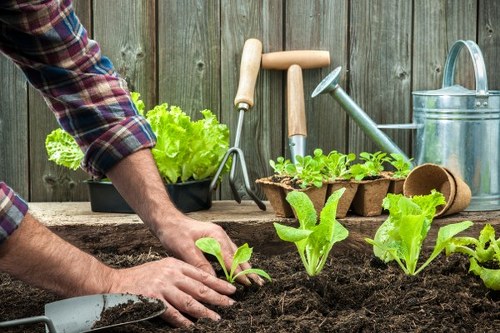 Gardening Kingston is committed to creating an eco-friendly waste disposal area and a thriving, sustainable rubbish gardening area across the borough. Our approach to Kingston sustainable gardening blends practical on-site recycling with borough-wide collaboration to reduce waste, cut carbon and return valuable resources to the soil. This page outlines our targets, local partnerships, and the operational changes that make our garden waste program both resilient and low-impact.
Our work in Kingston gardening emphasizes source separation, composting and reuse. We follow the borough’s approach to waste separation by keeping food, garden and dry recyclables distinct — enabling higher quality compost and reducing contamination. That better separation supports an effective eco-friendly waste disposal area at every community garden and project site we manage.
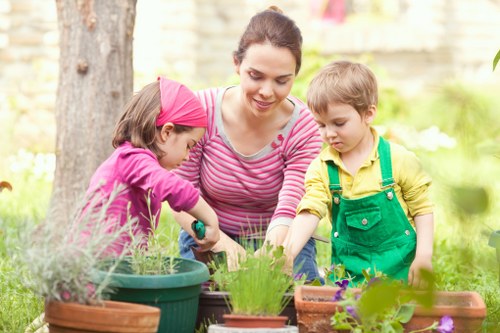 To make real progress we track measurable goals. Our current recycling percentage target is to achieve a 65% recycling rate across all Gardening Kingston operations within five years, with an interim 50% target in the next two years. That target includes diversion of green waste into compost systems, rehoming healthy plants and soil, and transferring materials to local reuse partners.
Practical systems: transfer stations and low-carbon logistics
We coordinate with the borough’s local transfer stations and nearby transfer facilities to ensure that organic material and non-recyclable residues are handled responsibly. These transfer stations act as hubs where garden waste can be consolidated and sent for industrial composting or anaerobic digestion, rather than ending up in landfill. Working with transfer points reduces vehicle miles by enabling full-load trips and better scheduling.
 Transport is a key part of our carbon plan. Gardening Kingston operates a fleet of low-carbon vans — a mix of electric vehicles (EVs) and low-emission hybrids — used for green waste collection, plant relocation and equipment movement. Charging infrastructure at depots and prioritized routes for EVs lower operational emissions and support our long-term aim of a near-zero emissions service for garden services. Our logistics plan ensures that the sustainable rubbish gardening area is not just a local idea but a low-impact reality.
We also focus on small, practical measures to keep the sustainability momentum going: reducing the need for mechanical shredding where hand-turning suffices, using shredded wood re-use on paths, and favouring water-efficient mulches. These choices feed into a broader vision of garden recycling Kingston that is cost-effective and circular.
Community partnerships and reuse networks
Partnerships with charities and social enterprises are central to Gardening Kingston’s model. We work with local community allotments, educational groups and reuse charities to rehome plants, soil, and usable pots. By linking surplus garden materials to organisations that need them, we reduce waste and support local green spaces and community projects. These partnerships also create opportunities for volunteer-led repair and repurpose sessions for garden tools and furniture.
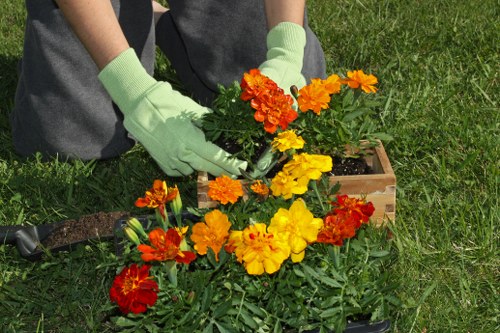 Our sustainable rubbish gardening area is designed to enable multiple recovery routes for materials. Key commitments include:
- Reduce: Minimise unnecessary disposals by promoting compost and reuse within each garden.
- Reuse: Partner with charities and community groups to redistribute healthy soil, plants and equipment.
- Recycle: Send garden organics to approved composting and anaerobic digestion facilities via local transfer stations.
How residents and partners can help
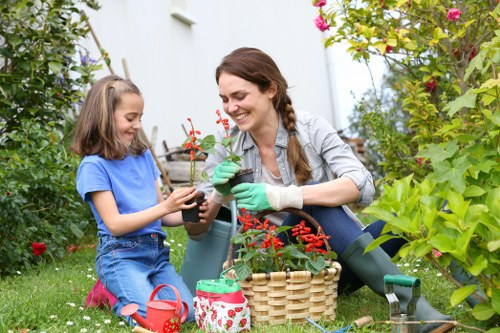 You can support Kingston gardening sustainability by separating garden waste from household rubbish where possible, participating in local compost exchanges, and supporting community reuse schemes. Small changes — such as keeping plastic pots separate from organics, or storing wood separately for chipping — increase the recovery value of materials and help us hit the recycling percentage target.
Gardening Kingston’s vision for a greener borough also includes educational outreach, collaborative maintenance of our low-carbon vans and transfer logistics, and an annual audit of our recycling performance. We publish progress updates internally and share lessons with partner councils and community groups to scale-up what works. By aligning with the borough’s waste separation standards for food, garden and dry recycling we ensure our outputs are compatible with municipal processing systems.
In summary, our combined strategy of setting measurable recycling targets, using local transfer stations efficiently, partnering with charities for reuse, and operating low-carbon vans makes Gardening Kingston a practical example of sustainable gardening in the borough. Together, these steps create an eco-friendly waste disposal area and a resilient, sustainable rubbish gardening area that keeps resources in use, lowers emissions and strengthens community green spaces.