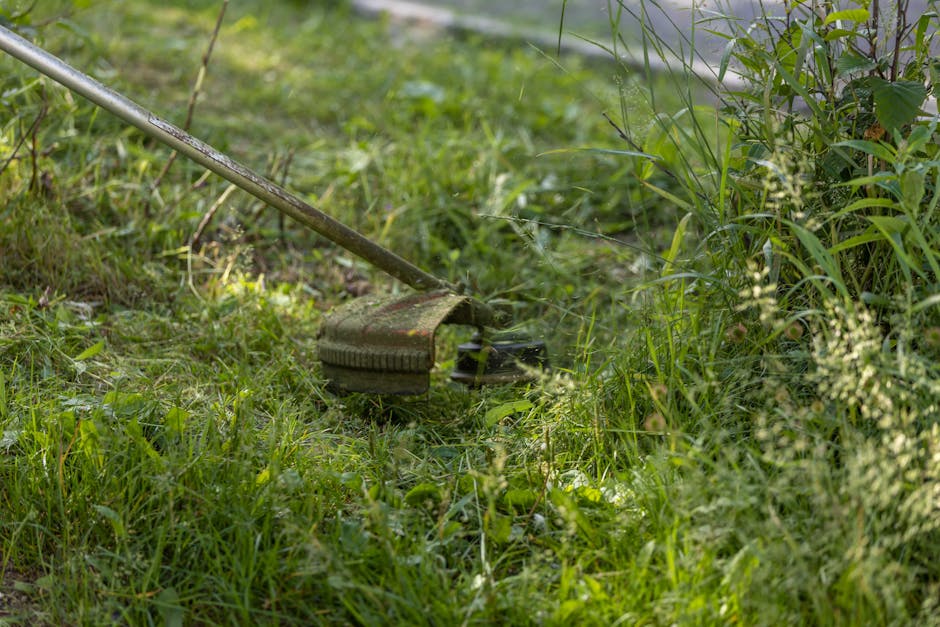
Garden maintenance experts near Kingston station KT1: a practical local guide to keeping your garden tidy, healthy, and manageable
If you live or work near Kingston station and your garden keeps slipping down the to-do list, you are not alone. Small courtyards, family gardens, planted front spaces, shared access areas, and the odd neglected border can all become surprisingly hard to keep on top of. That is where garden maintenance experts near Kingston station KT1 can make life easier. They help with the routine jobs, the seasonal jobs, and the awkward jobs that always seem to land at the worst time.
This guide explains what professional garden maintenance usually includes, how it works, what good service looks like, and how to choose the right help for your space. Whether you want a tidy-up after winter, regular upkeep through the growing season, or a more dependable long-term arrangement, you will find a clear, local, no-nonsense overview here.
Truth be told, gardens near transport hubs and busy residential pockets often need a slightly different approach. There may be tighter access, neighbours close by, less storage space for tools, and less time to get jobs done before the light fades. That is exactly why a structured maintenance plan matters.
Table of Contents
- Why garden maintenance near Kingston station matters
- How garden maintenance works
- Key benefits and practical advantages
- Who this is for and when it makes sense
- Step-by-step guidance
- Expert tips for better results
- Common mistakes to avoid
- Tools, resources and recommendations
- Law, compliance, standards, and best practice
- Options, methods, and comparison table
- Case study or real-world example
- Practical checklist
- Conclusion
- Frequently asked questions
Why Garden maintenance experts near Kingston station KT1 Matters
Garden maintenance is not just about making things look neat. Done properly, it supports healthier plants, safer pathways, better drainage, and a space that is genuinely easier to enjoy. Near Kingston station KT1, where many homes and properties need regular attention but do not necessarily have endless outdoor space, maintenance can be the difference between a garden that feels inviting and one that quietly becomes a burden.
A garden left alone for too long tends to grow in layers of inconvenience. First the grass gets shaggy. Then the edges disappear. Then weeds settle in at the base of fences and patios. Before long, pruning becomes harder, pests find more places to hide, and what should have been a simple morning job turns into a weekend event. A bit dramatic? Maybe. Also very common.
Professional maintenance helps prevent that drift. It also helps if your garden is used often by children, tenants, visitors, or customers. In those settings, tidy borders and clear paths are not cosmetic extras. They are part of making the place feel looked after.
There is another side to it too. Many local gardens are exposed to a mix of shade, pollution, compacted soil, and varying moisture levels because of the built environment around station areas. That can affect plant health and soil condition. A knowledgeable maintenance approach takes those realities into account instead of applying a one-size-fits-all routine.
Practical takeaway: the best garden maintenance is not just about cutting things back. It is about keeping the whole outdoor space balanced, workable, and ready for the next season.
How Garden maintenance experts near Kingston station KT1 Works
Most garden maintenance services begin with an assessment of the space. That does not need to be formal or overcomplicated. A good gardener will usually look at the size of the garden, the condition of lawns, beds, hedges, trees, access points, waste removal needs, and any areas that need regular attention. In a smaller KT1 property, that might only take a few minutes. In a larger or more complex garden, it may take longer.
From there, the work is usually split into routine and seasonal tasks. Routine work covers the jobs that keep the garden presentable week to week or month to month. Seasonal work is more about timing: pruning at the right moment, clearing fallen leaves, feeding where needed, cutting back perennials, preparing beds, and managing growth before it gets out of hand.
Some clients book ad hoc visits. Others prefer a regular schedule. Both can work well, but the right choice depends on how quickly your garden grows, how much you use it, and how much hands-on care you want to do yourself. If you are juggling work, family, commuting, and the usual life admin, regular maintenance tends to feel less stressful. No surprise there.
In practical terms, the service often includes:
- grass cutting and edging
- weeding and bed care
- hedge trimming and light pruning
- leaf clearance and general tidy-ups
- planting refreshes and deadheading
- border maintenance and mulching
- green waste collection or arrangement of disposal
Some providers may also offer light garden restoration, pressure washing, or larger seasonal resets as part of a wider garden services overview. That can be useful if your outdoor space needs more than standard upkeep.
Key Benefits and Practical Advantages
There is a reason people keep returning to regular garden care once they try it. It simply makes day-to-day life easier. A well-maintained garden looks better, yes, but the real value runs deeper than appearances.
A calmer, more usable space
A tidy garden feels lighter to live with. You step outside and notice the space, rather than the mess. That matters especially in smaller Kingston gardens where every square metre has to work hard. A compact patio can feel twice as large once the edges are clean and the plants are under control.
Better plant health
Pruning at the right time, removing dead material, and keeping weeds away from root zones all help plants perform better. It is not magic. It is just good maintenance. Plants that are left crowded or shaded by unchecked growth can become weak, patchy, or prone to disease.
Reduced long-term costs
Letting a garden deteriorate often leads to more expensive recovery work later. A small issue, left too long, can turn into a major one. For example, a hedge that is trimmed regularly is usually easier and cheaper to manage than a hedge that has been left to run wild for two seasons. Common sense, really.
Safer paths and access
Overgrown borders, slippery paths, and hidden trip hazards are more than an inconvenience. They can make a garden awkward or unsafe to use. Regular maintenance keeps access clear and reduces unnecessary risk, especially after wet weather when moss and debris become a bit sneaky.
More consistent presentation
If you rent out a property, host guests, or simply care about the way your home presents, consistency matters. A garden that always looks roughly maintained creates a much better impression than one that only receives emergency attention before an event or inspection.
Useful summary: garden maintenance gives you control. You are not waiting for the garden to become a problem before acting.
Who This Is For and When It Makes Sense
Professional garden maintenance is not only for large houses with elaborate planting schemes. In fact, some of the most common clients are people with modest gardens who simply do not have the time, tools, or physical capacity to keep everything in shape.
You may benefit from regular maintenance if you are:
- a homeowner who wants a tidy garden without weekend labour
- a landlord or letting agent keeping a property presentable
- a busy professional commuting through Kingston station
- a family needing safe, usable outdoor space
- an older resident who wants to avoid heavy or repetitive tasks
- a business owner maintaining an outside frontage or courtyard
- someone preparing a property for sale or new tenants
It also makes sense if your garden changes quickly. Some spaces seem to grow overnight after rain and mild weather. One week they look fine, the next they are doing that slightly wild, scruffy thing that nobody really asked for. Regular care stops that cycle.
If you enjoy gardening but cannot keep up with the tougher jobs, you may only need help with pruning, hedge shaping, clearance, or seasonal resets. That hybrid approach works well. You keep the enjoyable parts, and a professional handles the heavier lifting.
For anyone comparing providers, it helps to review the company background too. A page like about the team can tell you whether the business is focused on practical, local service rather than generic one-off jobs.
Step-by-Step Guidance
If you are booking garden maintenance for the first time, the process is usually straightforward. Still, it helps to know what to expect so you can judge whether the service is thorough or just hurried.
1. Walk the garden and identify priorities
Start by looking at what actually needs doing. Is it the lawn, the beds, the hedges, the paving, or all of the above? A garden can look messy for several reasons at once, but the main causes are usually obvious once you stand back and look properly.
2. Decide what must be done now and what can wait
Some tasks are urgent. Others are helpful but not time-critical. For example, overgrown access paths or dead branches may need immediate attention, while planting refreshes can often wait until the right season. This is where expert judgement helps, because not every task needs to be squeezed into one visit.
3. Get a clear scope of work
Before any work begins, you should know what is included. That may sound basic, but it prevents confusion later. Ask whether the visit covers waste removal, how long it is expected to take, and whether extra charges could apply if the job grows in size once the gardener arrives. Gardens do that. They hide little surprises.
4. Agree the maintenance rhythm
Some gardens need monthly attention. Others are better off on a fortnightly or seasonal schedule. The right rhythm depends on plant growth, usage, and how neat you want things to stay between visits. If you are close to the station and often away from home, a regular rhythm can be especially useful.
5. Tackle the garden in logical order
In practice, a good maintenance visit often follows a sensible sequence: clear debris, cut or trim where needed, weed the beds, shape edges, check for plant issues, and finish with a tidy sweep-up. That order is not glamorous, but it works.
6. Review the result and note anything for next time
After the work is done, take a short walk around the garden. Look at what changed, what still needs attention, and whether anything should be added to the next visit. It is often the small observations that make future maintenance more effective.
Expert note: a genuinely good maintenance visit leaves the garden not just neat, but easier to manage next time. That is the real test.
Expert Tips for Better Results
There are a few habits that make garden maintenance much more effective, especially in a local setting where space may be limited and visual impact matters.
- Keep maintenance regular. Small, steady attention is nearly always better than large, infrequent interventions.
- Trim before growth becomes heavy. Once hedges and borders get too dense, the work becomes slower and rougher on the plants.
- Use mulch where appropriate. It helps suppress weeds and retain moisture, which is useful in warmer spells.
- Don't ignore the edges. Clean lawn edges and path lines make the whole garden look more finished.
- Ask for seasonal planning. Good gardens are managed across the year, not just in summer.
- Leave room for nature. Not every leaf needs to vanish immediately, and not every plant needs hard pruning. Balance matters.
A small practical example: if your front garden gets windblown litter and leaves every few days, a slightly more frequent visit may save you the frustration of seeing it look untidy again two days after a clean-up. Some jobs are just like that. Annoying, but predictable.
Another useful habit is to keep a simple note of what the garden needs through the year. You do not need a fancy spreadsheet unless you are enjoying that sort of thing, which, fair enough, some people do. A basic monthly reminder is enough for most people.
Common Mistakes to Avoid
Garden maintenance goes wrong most often when people treat it as a one-off tidy-up rather than an ongoing system. That is understandable, but it can be expensive in time and effort.
Leaving pruning too late
Different plants have different pruning windows. If you wait too long, you may remove next season's flowers or make the plant look chopped rather than shaped. Timing matters more than force.
Cutting everything back at once
Some gardens get a dramatic "reset" after neglect, but heavy cutting is not always the best answer. It can stress plants, remove structure, and leave the space bare in a way that feels a bit stark.
Ignoring soil and drainage
If a garden keeps getting waterlogged, patchy, or compacted, the issue may be underneath the surface. Tidy leaves are helpful, but they will not fix poor soil structure. That requires a different approach.
Underestimating access and waste
In tighter properties near Kingston station, access can be narrow and waste can build up quickly. If someone is working in a back garden through a side passage, they need a realistic plan for moving cuttings out without making a mess of everything else.
Choosing only on price
Cheapest is not always best. A low quote can be fine, but if it does not include the right work, proper time, or responsible disposal, it may cost more in the long run. Ask what is included. Always.
Tools, Resources and Recommendations
Professional gardeners use different tools depending on the job, but the basics are usually familiar: mowers, trimmers, shears, secateurs, rakes, spades, forks, and collection bags or bins for green waste. The value is not just in owning tools, though. It is in using them well and knowing when to stop before doing damage.
For homeowners who want to do some of the lighter upkeep themselves, a few sensible basics go a long way:
- a good pair of gloves
- sharp hand pruners
- a small hand fork for weeds
- a stiff broom for hard surfaces
- a watering can or hose for dry spells
- basic compost or mulch for beds where suitable
If you prefer to outsource most of it, that is perfectly reasonable. Not everyone wants to spend Saturday morning wrestling a hedge that has ideas above its station. A maintenance plan can cover the jobs you dislike most and leave you with the bits you actually enjoy.
It is also worth checking service details before booking. For example, if you want to understand how estimates are structured, pricing and quotes can help set expectations. If you care about waste handling and responsible disposal, the page on recycling and sustainability is a useful read too.
Law, Compliance, Standards, and Best Practice
Garden maintenance is a practical service, but it still sits within normal expectations around safety, honesty, and responsible working methods. In the UK, reputable providers generally follow sensible standards for site safety, tool use, waste handling, and customer communication. You do not need legal jargon for that. You just need someone who behaves properly and does the job with care.
For clients, the main points to think about are straightforward:
- Insurance: ask whether the business has suitable cover in case of accidental damage or injury.
- Health and safety: tools, ladders, and powered equipment should be used carefully and with awareness of the site.
- Waste disposal: green waste should be handled responsibly, especially after large clearances.
- Access and permissions: if the garden is shared, rented, or part of a managed property, make sure the work is authorised.
- Clear communication: the scope of work, timing, and any limitations should be discussed in advance.
It is also sensible to choose a business that is open about its policies. That transparency matters more than people sometimes think. You can review related trust information such as insurance and safety, health and safety policy, and terms and conditions if you want a better sense of how the service is run.
On the ethical side, many customers also like to know that suppliers take wider responsibilities seriously. The site's modern slavery statement and recycling approach can help build confidence in that respect. It all adds up. Small signs, but meaningful ones.
Options, Methods, and Comparison Table
Not every garden needs the same type of care. The right option depends on condition, budget, and how much time you want to spend managing the space yourself. Here is a simple comparison that may help.
| Approach | Best for | Pros | Watch-outs |
|---|---|---|---|
| One-off tidy-up | Overgrown or neglected gardens, pre-event clean-ups | Fast improvement, easy to book | Can slip again quickly without follow-up |
| Regular maintenance | Homes, rentals, small business frontages, busy households | Consistent results, less stress, easier long-term control | Requires ongoing budget and scheduling |
| Seasonal visits | Gardens that change more slowly or have low usage | Good balance of support and cost | May not be enough for fast-growing spaces |
| Hybrid DIY + professional support | People who enjoy light gardening but not heavy work | Flexible, cost-conscious, still professional where it counts | Needs clear boundaries on who does what |
For many KT1 properties, the hybrid model is quietly the best fit. You might mow or water yourself, then bring in help for hedge trimming, weeding, and seasonal reset work. That arrangement keeps costs sensible and still protects the garden from sliding backwards.
Case Study or Real-World Example
A typical example might look like this: a small rear garden a short walk from Kingston station, used by a couple who work long hours and often get home late. The space was not huge, but it had a narrow lawn, a few shrubs, a raised bed, and a patio that had started collecting leaves and moss. Nothing dramatic. Just enough neglect to make it feel like work every time they stepped outside.
They did not need a full redesign. They needed a reset and a manageable routine. The first visit focused on clearing debris, edging the lawn, removing weeds from the bed, trimming back the shrubs, and tidying the hard surfaces. After that, a lighter regular schedule kept everything presentable without requiring a full day of effort each time.
The practical result was simple: the garden became somewhere they could actually use again. A cup of tea outside in the morning. A chair on the patio in the evening. Little things, but they change how a home feels. And that is often the real point of maintenance.
This is why local knowledge matters. A gardener who understands the pace of growth, access constraints, and the realities of nearby homes will usually make better decisions than someone who treats every garden the same.
Practical Checklist
Use this checklist before booking or scheduling your next visit:
- Identify the main problem areas in the garden.
- Decide whether you need a one-off visit or regular maintenance.
- List any access issues, shared entrances, or parking limits.
- Confirm whether waste removal is included.
- Ask what tasks are covered in the quoted price.
- Check whether the provider is insured and has clear safety practices.
- Note any plants that need seasonal care or special attention.
- Agree on a realistic maintenance frequency.
- Keep a simple record of what was done after each visit.
- Review the garden a few days later and note anything to adjust next time.
Helpful reminder: if a quote looks unusually low, ask what has been left out. A fair price with clear scope is usually better than a cheap surprise.
For service details and next steps, you can also look at the site's services overview and contact page to discuss the garden itself rather than trying to guess from a distance.
Conclusion
Finding the right garden maintenance experts near Kingston station KT1 is really about matching the service to the reality of your space. A garden that is looked after regularly becomes easier to enjoy, easier to manage, and far less likely to turn into a burden. That applies whether you have a compact courtyard, a busy family garden, or a rental property that needs to stay presentable.
The best results usually come from clear expectations, sensible scheduling, and a provider who understands the practical side of garden care as well as the visual side. Tidy edges are lovely. Healthy plants are better. A garden that simply feels like it is under control? That is the sweet spot.
If you are weighing up your options, take a calm look at what the garden needs right now, what can wait, and what you would rather not deal with yourself. That little bit of honesty saves time later. And if the thought of the whole thing still feels a bit overwhelming, fair enough. That is exactly what good garden maintenance is for.
Get a free quote today and see how much you can save.
When a garden is in good hands, it stops shouting for attention and starts giving something back. That is a nice shift, and very worth it.
Frequently Asked Questions
What do garden maintenance experts near Kingston station KT1 usually do?
They typically handle routine upkeep such as mowing, edging, weeding, pruning, hedge trimming, clearing leaves, and general tidying. Some also help with seasonal resets and waste removal. The exact service depends on your garden's size and condition.
How often should a garden be maintained?
It depends on how fast the garden grows and how neat you want it to stay. Many gardens benefit from fortnightly or monthly visits during the growing season, while smaller or slower-growing spaces may only need seasonal attention.
Is a one-off garden tidy-up enough?
A one-off tidy-up can make a big difference if the space has become overgrown or you need a quick refresh. But if you want the garden to stay under control, regular maintenance is usually more effective in the long run.
Do I need to be at home during the visit?
Not always. Some clients prefer to be there at the start, then let the work proceed. Others arrange access in advance. It is best to confirm this with the provider before booking so everyone is clear.
What should I ask before booking garden maintenance?
Ask what is included, whether waste removal is covered, how long the visit is expected to take, whether there are any extra charges, and whether the business has suitable insurance and safety practices.
Can maintenance help if my garden is already overgrown?
Yes, absolutely. A good team can usually bring an overgrown garden back into shape, then set up a plan so it does not drift back to the same condition. Sometimes that first visit is the hardest one, but also the most satisfying.
Are garden maintenance services suitable for rental properties?
Yes. They are often a good fit for landlords, letting agents, and tenants who need the outdoor space to remain tidy and safe. In those cases, regular attention can help protect presentation and avoid larger clean-up jobs later.
What is the difference between garden maintenance and landscaping?
Garden maintenance is about keeping an existing garden in good condition. Landscaping is usually about changing the structure or layout of the space, such as installing new beds, paths, turf, or features. The two can overlap, but they are not the same thing.
How can I tell if a gardener is reliable?
Look for clear communication, a sensible quote, visible attention to detail, and openness about insurance, terms, and safety. Reliable gardeners tend to ask good questions before they start, which is usually a good sign.
Do I need garden maintenance in winter?
Yes, sometimes. Winter usually means less growth, but there can still be leaf clearance, pruning, storm damage checks, and general tidying. Some of the best long-term results come from winter preparation rather than waiting for spring.
How do I compare quotes fairly?
Compare what is included, how long the job should take, whether waste disposal is covered, and whether the service is one-off or ongoing. A slightly higher quote may still be better value if it includes more of the real work.
Can I combine DIY gardening with professional maintenance?
Definitely. Many people handle watering, light weeding, or pot care themselves and leave the harder work to professionals. That can be a very sensible balance, especially if you enjoy the garden but not every part of maintaining it.